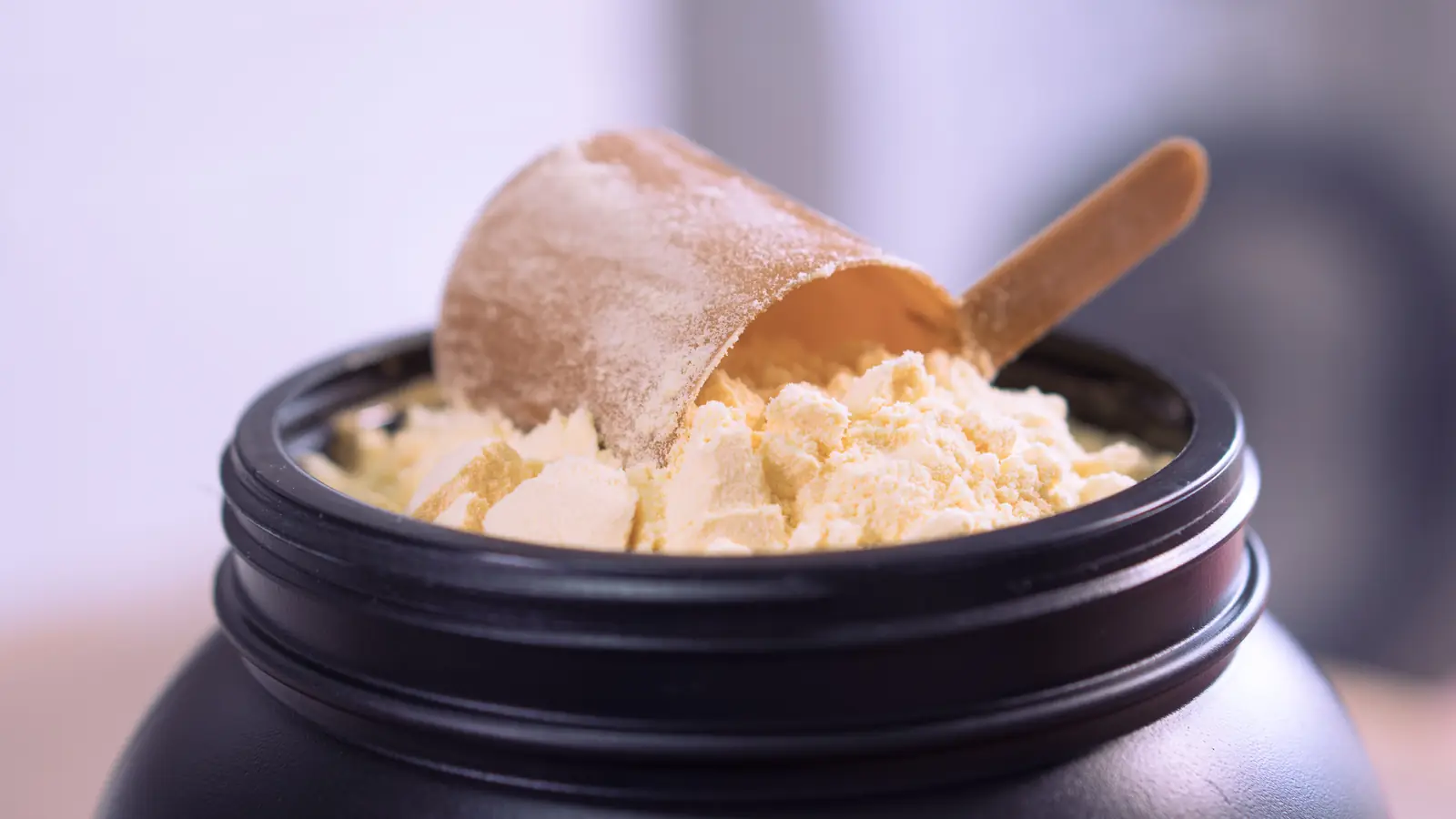
A practical one-day course on how to assess whey protein ingredients with confidence and consistency. It focuses on the physical and sensory properties of whey proteins, covering how ingredient quality, processing history and formulation behaviour influence appearance, solubility, viscosity, flavour, mouthfeel and application performance, and giving teams a structured approach to evaluating powders and liquid applications for development, quality, supplier comparison and troubleshooting.
Course snapshot
- Format
- One day
- Tailored
- Yes
- Delivery
- In person or online
- Language
- English
- Level
- Applied foundation
- For teams
- All sizes
Who we work with
- NPD and applications teams using whey protein
- QA and technical teams assessing ingredient quality
- Sensory teams and panellists working with dairy proteins
- Technical-sales and customer-facing teams
- Procurement or supplier-quality colleagues involved in review or troubleshooting
What your team will be able to do
Course outline
- 1Why whey protein assessment matters: quality, NPD, supplier approval, troubleshooting and customer confidence
- 2Understanding the ingredient: WPC, WPI, hydrolysates; composition, processing history and specification basics
- 3Physical property assessment: appearance, powder flow, dispersibility, wettability, solubility, sediment, viscosity and foaming
- 4Sensory assessment of whey proteins: aroma, flavour, aftertaste, bitterness, cooked and oxidised notes, mouthdrying and mouthfeel
- 5Linking properties to applications: clear drinks, RTDs, yoghurts, powders, desserts and high-protein systems
- 6Building an assessment protocol: a simple, repeatable evaluation method for internal use, supplier comparison or troubleshooting
We run this course so your team can observe, assess and discuss whey protein performance in a consistent way that supports better decisions in development, quality and supplier review.
How the course can be tailored
We adapt the content by audience level, application area, product type, internal challenges and learning goals, so your team learns what matters most.
How learning is reinforced
Practical exercise: participants assess two or three whey protein samples (powder appearance, reconstitution, physical performance, sensory attributes and application relevance) and compare findings using a structured assessment sheet.
Materials & further reading
- Course workbook and structured assessment sheet
- Curated glossary of key sensory and physical terms
- Samples and criteria tailored to your ingredient portfolio before delivery

Bring this course to your team.
Tell us your team, their level and the outcome you're after. We'll tailor the course and timing. A first conversation costs nothing.